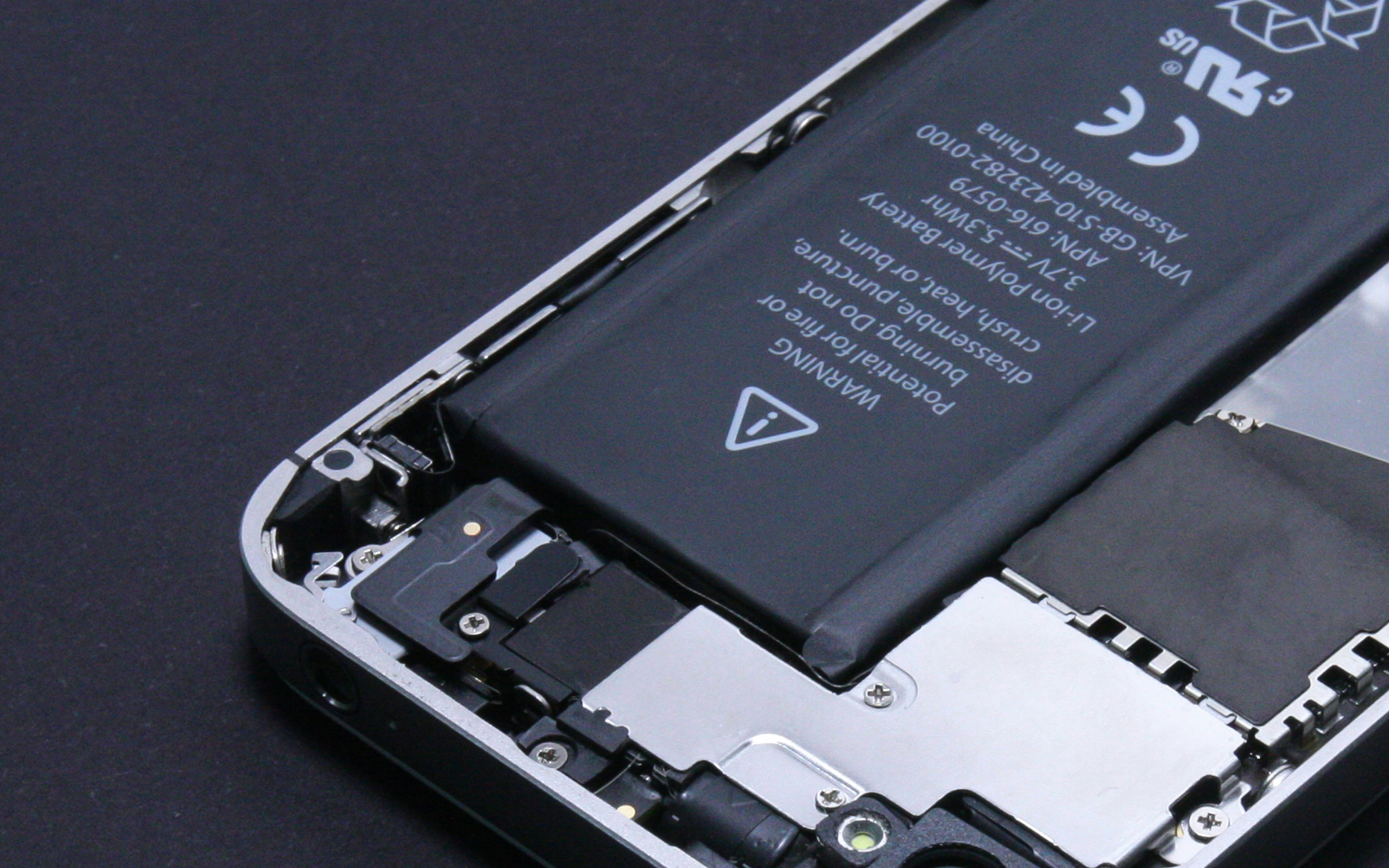
The lithium-ion batteries that fuel our everyday devices come in solid packaging, but their real power lies in their inner liquid electrolyte systems which transport lithium-ions, enabling batteries to deliver electrical power. But as the energy demands of these devices increase with new technological developments, safety and reliability concerns such as flammability and leakage have also grown.
As a potentially safer alternative, poly(ionic liquid)s (PILs) can deliver high ion transport combined with the solid, mechanical integrity of polymer matrices. To rival the conductivity of liquid electrolytes, however, ionic liquids are often still added to the system, leading to the same risks of leakage and mechanical failures. “Fully solid PIL-based electrolytes could eliminate these trade-offs and promise safer, longer-lasting and more mechanically robust batteries,” said Shermin Goh, a Group Leader at the A*STAR Institute of Materials Research and Engineering (A*STAR IMRE).
Together with Derrick Fam, Deputy Head of the Energy Materials Department at A*STAR IMRE, Goh and the team set out to develop an all-solid-state polymer electrolyte, combining good conductivity, high power capacity and safety in one system.
The researchers used a ‘one-pot’ approach—where all components are added into one reaction mixture, minimising the need for extra purification steps—to synthesise poly(triazolium) (PT-Li) solid polymer electrolyte. This began with a cycloaddition reaction to create a polymer chain with a triazole backbone. The triazole units then react with another reagent in the same mixture, forming a crosslinked triazolium network. Finally, soaking the network in a salt solution facilitated lithium-ion incorporation while removing bromide counter-ions, promote battery compatibility and stability.
After testing several formulations, the team determined an optimal crosslink density to balance power with safety and durability features. “Too much crosslinking reduces ion transport, while too little compromises mechanical stability,” Goh said. “These poor triazolium crosslinks also allow the polymer network to rearrange under heat without breaking apart.” This reprocessability, she said, is particularly valuable for industrial production and future recycling of the batteries.
The resulting PT-Li electrolyte showed good lithium conductivity, leading to high energy density and battery capacity, while remaining stable across a wide range of temperatures. Moreover, the team highlighted the value of maintaining solid-state for safe battery operations, with their experiments revealing that PT-Li could flexibly bend without short-circuiting.
As the first to report a fully solid PIL-based system, the researchers have since filed a patent application and aim to further develop their PT-Li electrolyte. By focusing on performance optimisation and scalability, they hope to develop solid polymer electrolytes that can be practically integrated with other active materials and alkali metals, opening possibilities for high capacity yet stable and safe batteries.
The A*STAR-affiliated researchers contributing to this research are from the A*STAR Institute of Materials Research and Engineering (A*STAR IMRE).