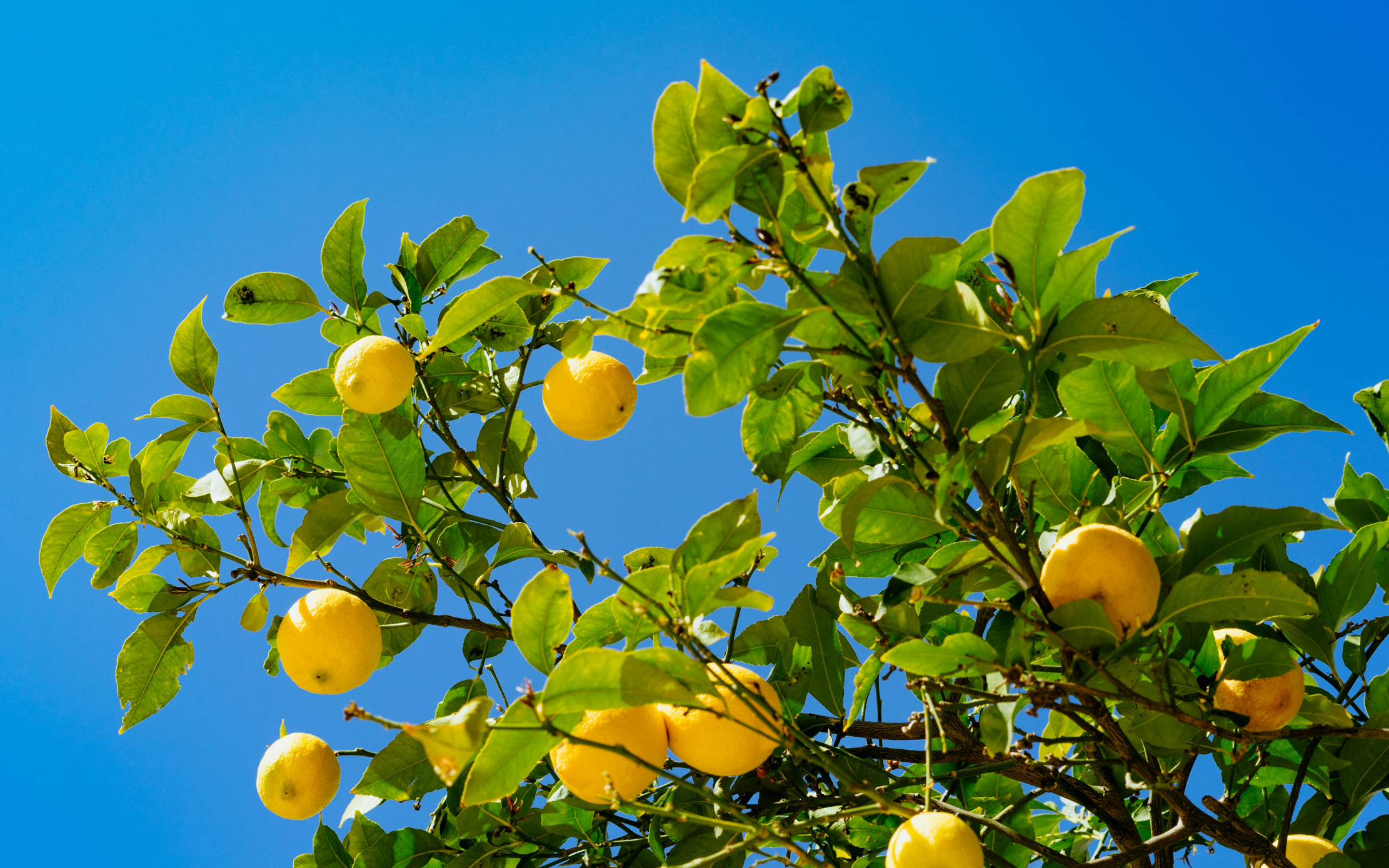
What if the molecule behind the zesty aroma of lemons could be brewed by microbes, similar to how yeast ferments sugars into wine? Escherichia coli bacteria, for example, can be engineered to carry the production engine for limonene, a citrus-scented biochemical found in fragrances and medicines.
This engine, the limonene synthase (LS) enzyme, is normally found in plant cells and enables the conversion of a compound called geranyl pyrophosphate (GPP) into limonene. However, the bacteria’s native metabolic pathways quickly consume GPP to produce other compounds, leaving limonene synthase without sufficient substrate.
“We were motivated to find an alternative that could essentially give the microbe a dedicated lane on the highway leading only to limonene production, instead of competing with many other metabolic routes,” said Clement Scipion, a Scientist at the A*STAR Singapore Institute of Food and Biotechnology Innovation (A*STAR SIFBI).
For Scipion, Group Leader Xixian Chen and the team at A*STAR SIFBI, this alternative came in the form of neryl pyrophosphate (NPP), which consists of the same elements as GPP but differs slightly in structure.
In collaboration with the Campus for Research Excellence and Technological Enterprise (CREATE) programme under the National Research Foundation, the National University of Singapore and the Toulouse Biotechnology Institute in France, they screened for LS-like enzymes that could use GPP or NPP.
While these enzymes were expected to naturally use GPP as the main substrate, the ArLS enzyme derived from Korean mint plant showed an 11.5-fold faster reaction using NPP. “Our broad screening strategy identified ArLS to perform particularly well with NPP, revealing a hidden diversity that would likely have been missed if we had only tested GPP,” Chen said.
To optimise limonene production, the researchers compared the sequences of ArLS against a GPP-preferring LS. Despite carrying identical active sites—the main reaction engine—the enzymes had subtle differences in surrounding ‘second shell’ regions. By targeting these areas, the researchers designed LS mutants with alterations that could influence how the substrate enters, sits in and moves within the active site.
“We did not redesign the engine itself,” said Chen. “Instead, we fine-tuned the parts around it so that the fuel is delivered more efficiently and consistently.”
Taking this metabolic detour, the best-performing mutant increased limonene production by 4.8-fold and 1.9-fold via the GPP and NPP pathways, respectively. The researchers have since filed a patent in Singapore for their work and hope to continue developing strategies that fine-tune the second shell regions, given their importance in influencing the enzymatic reactions.
The A*STAR-affiliated researchers contributing to this research are from the A*STAR Singapore Institute of Food and Biotechnology Innovation (A*STAR SIFBI).