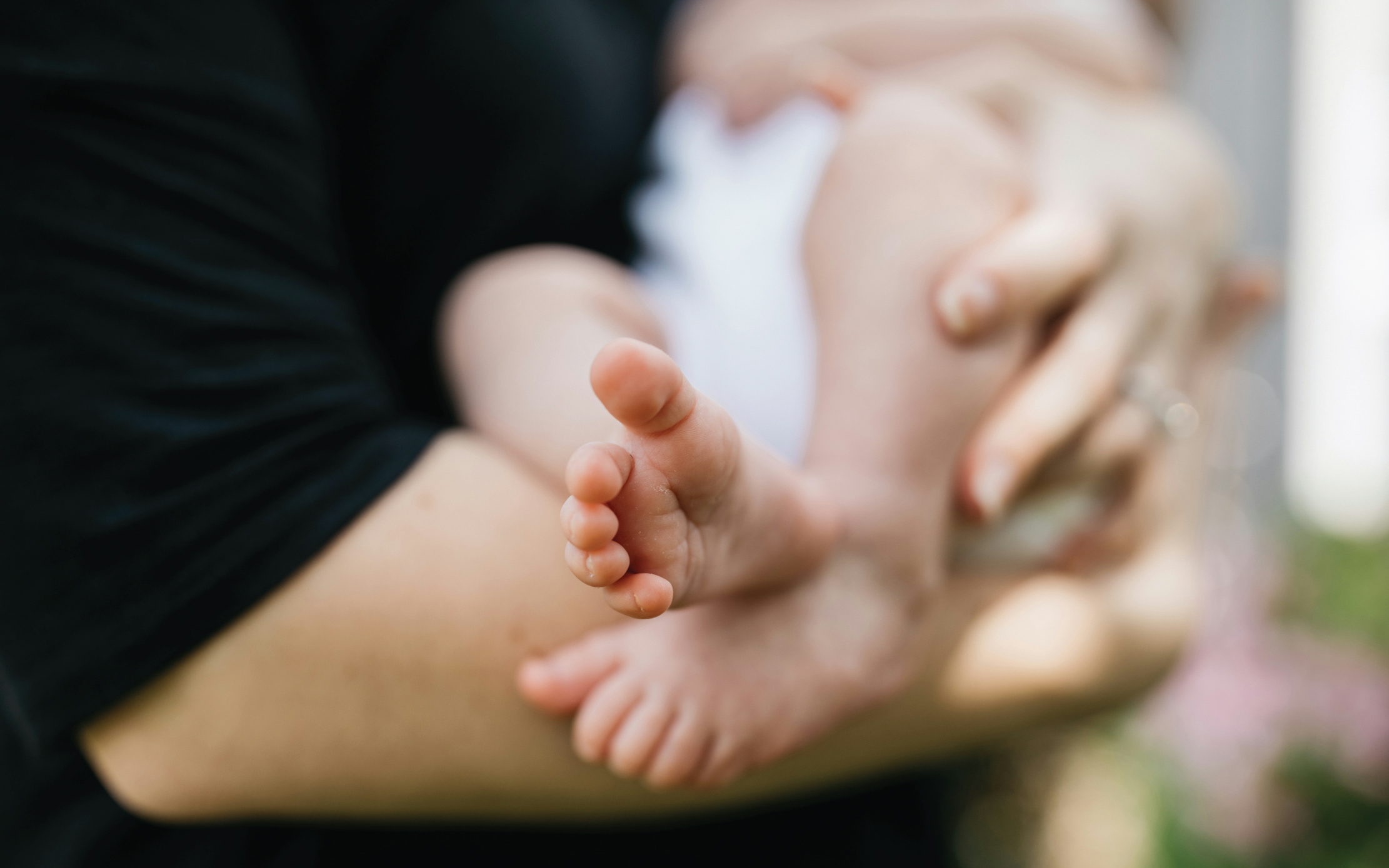
Milk doesn’t just nourish a growing baby; it also helps train the infant’s immune system. As the first food that microbes in the baby’s gut will ever encounter, breast milk serves as a critical vessel for antibodies passed from mother to child, helping to nurture gut immunity.
“However, we do not yet know the precise mechanisms that help the baby’s immune system set up healthy lifelong interactions with the gut microbiome,” explained Meera Shenoy, a Principal Scientist at the A*STAR Singapore Immunology Network (A*STAR SIgN).
Previous studies on these maternal antibodies have primarily involved adult mice and focused on their role in targeting intestinal disease-causing agents, Shenoy added. However, infant and adult microbiomes are vastly different, and most gut microbes that a baby’s immune system will newly encounter do not actively cause disease.
During her postdoctoral fellowship under Megan Koch at the Fred Hutchinson Cancer Center in the US, Shenoy and colleagues adopted a systematic approach to examine how maternal antibodies shape offspring immune-microbiome interactions.
To start with a ‘blank slate’ immune system, they used mice that had never received maternal antibodies, then introduced antibodies under a controlled environment. “We could manipulate the type, concentration, and timing of introduction of these antibodies. This allowed us to precisely control how and when the offspring encountered different antibodies and figure out what those antibodies could do,” explained Shenoy.
Through these meticulous experiments, the team found that a maternal antibody known as immunoglobulin G (IgG) could bind directly to certain types of offspring gut microbes. This binding triggered signalling pathways that train the immune system to keep calm even when it encounters foreign agents, such as new food, after the young mouse has been weaned off breast milk.
When the team later exposed the mice to inflammatory agents or food proteins that could trigger an allergic reaction, only mice that had consumed IgG early in life were protected from overzealous immune responses. Interestingly, consuming IgG in the first week of life was enough to restrain abnormal immune flare-ups weeks later during the weaning transition, even when offspring received no other in utero or breast milk antibodies.
Looking to the human context, the team hopes to discover microbiota-reactive antibodies in human breast milk that confer similar protective effects to those seen in mice.
“We hope that further research will help to augment formula milk or baby supplements that can convey some of these same benefits to babies when breastfeeding is not possible or practical,” said Shenoy.
The A*STAR-affiliated researchers contributing to this research are from the A*STAR Singapore Immunology Network (A*STAR SIgN).