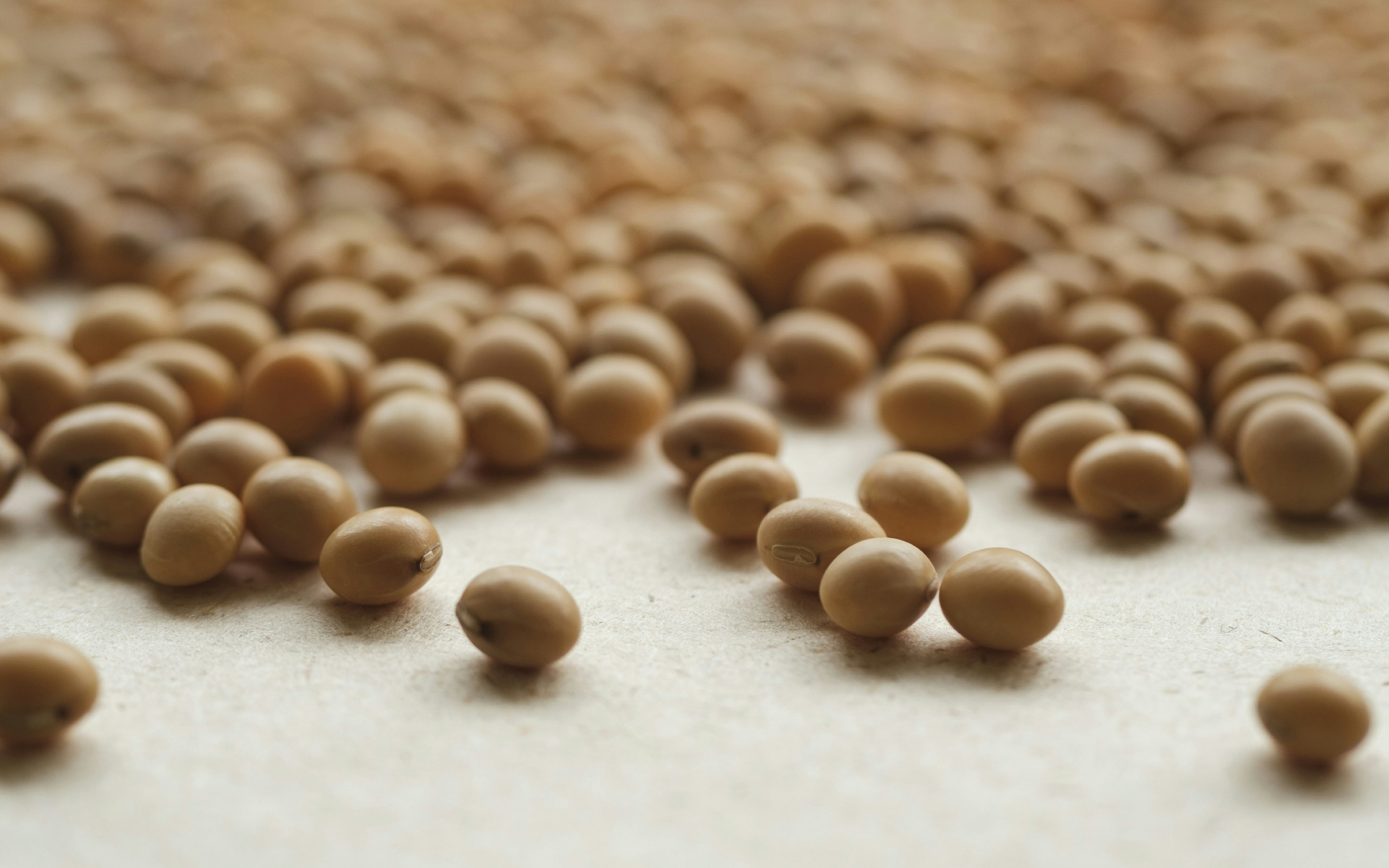
Some plant-based meats succeed in mimicking the fibrous bite of animal meat—others fall short. The difference may come down to something surprisingly small: subtle variations in the raw material.
For manufacturers of plant-based meat, achieving the right texture can be as challenging as replicating the flavour of animal meat. Products that look promising on paper can emerge from the production line with textures that are too soft, too stiff or lacking the fibrous bite consumers expect.
A key ingredient in meat analogues, commercial soy protein concentrates (SPCs) vary widely between suppliers. These differences—such as protein and carbohydrate content—can influence the formation of fibrous structures during extrusion, also called extrudates, which ultimately determine whether a product convincingly mimics the distinct texture of animal meat.
Yet manufacturers currently have limited ways to predict the context-specific suitability of these ingredients for different needs, according to Jie Hong Chiang and Ding Xiang Chew, a Senior Scientist and Research Officer respectively, at the A*STAR Singapore Institute of Food and Biotechnology Innovation (A*STAR SIFBI). In practice, companies often rely on supplier specification sheets that provide only broad compositional information. These generic metrics rarely reflect how proteins respond under the specific temperatures and mechanical forces used in production, leaving manufacturers to depend largely on trial-and-error testing.
To better link plant protein properties with extrudate quality, the researchers tested four commercial SPCs of differing composition. They found that while basic metrics like protein content indeed influenced extrudate quality, these properties did not paint the full picture. Just as important were the heat and mechanical pressure that the SPCs were subjected to during processing, impacting their fibrous structuring potential and ultimately the extrudate’s texture.
“Even small differences in SPCs can have a major impact on extrudate quality and should not be overlooked during quality control procedures,” Chew said.
To capture both SPC powder properties and extrusion temperatures into account, the researchers turned to rheology—a method used to study how materials flow and deform under stress. By measuring how SPC mixtures responded to changes in temperature and mechanical strain, the team generated distinctive rheological ‘fingerprints’ for each ingredient. These measurements proved highly informative. Changes in viscosity during heating and shearing correlated to the formation of fibrous extrudate structures with a high degree of predictive accuracy.
By measuring rheological changes, the researchers believe that manufacturers could turn to just a singular tool to predict extrusion outcomes without the need for the detailed processing history of a SPC. “As we have focused on soy-based alternatives, which hold the largest market share in Asia, we hope our work can support the quality control and development of the alt-meat industry in Singapore and the greater region,” Chew said.
The A*STAR-affiliated researchers contributing to this research are from the A*STAR Singapore Institute of Food and Biotechnology Innovation (A*STAR SIFBI).