


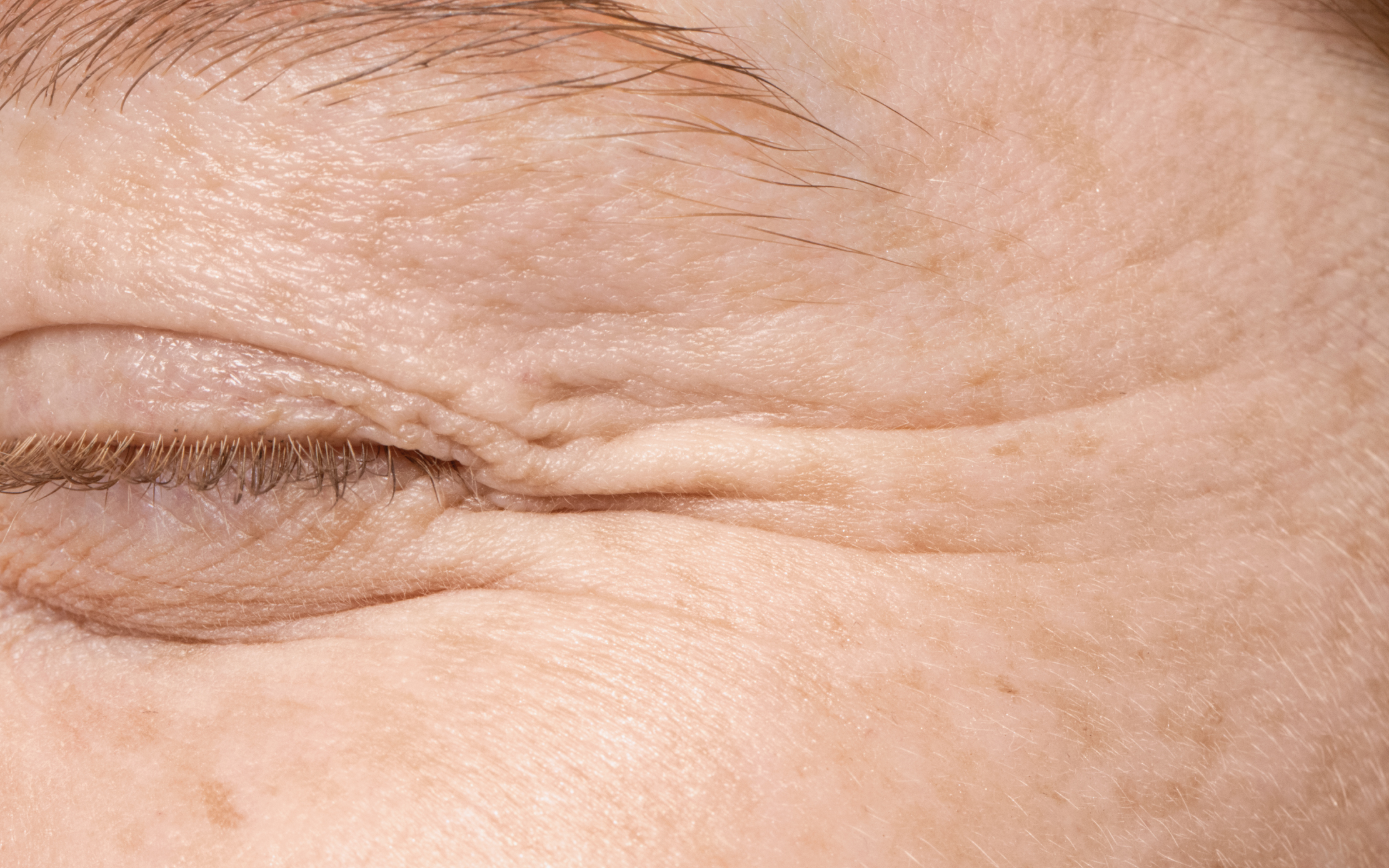
Throughout our lives, the tissues that comprise our bodies—skin, muscle, cartilage and more—are continually being reshaped. Their stiffness varies across different stages of development, healing and ageing, often driven by the extracellular matrix (ECM): a flexible, scaffold-like network that holds cells together and directs their behaviour across similar tissues.
Yet, scientists studying how cells respond to these mechanical changes currently struggle to replicate the structural dynamics involved. Light-responsive hydrogels, which change stiffness when exposed to specific light wavelengths, can provide an ECM-like substrate for cell culture; however, their triggers can create complications, noted Vinh Truong, a Principal Scientist at the A*STAR Institute of Sustainability for Chemicals, Energy and Environment (A*STAR ISCE²).
“Many previous studies with photoswitching materials have used shorter, high-energy ultraviolet (UV) light wavelengths as triggers, which are harmful to live cells,” said Truong. Such UV radiation can alter cellular DNA, making it difficult to determine whether cells in a hydrogel substrate are responding to mechanical changes or to radiation damage.
Working with Jess Frith and John Forsythe of Monash University, Australia, as well as collaborators from institutes in Australia and China, Truong and A*STAR ISCE² colleagues developed a polyacrylamide-azobenzene (PAMA) hydrogel that reversibly stiffens and softens in response to blue and green light. Their work builds on a hydrogel platform previously developed by Truong and colleagues in 2023.
“We used a highly biocompatible and physiologically stable polymer, polyacrylamide (PAM), coupled with a novel chlorine-modified azobenzene crosslinker to form visible light-responsive, water-swollen networks,” said Truong. “This work marks a critical stride in redshifting PAMA hydrogels to respond to longer, more benign wavelengths of visible light.”
In performance tests, the team’s system rapidly switched between stiffness values of 4 and 19 kPa over multiple cycles without degrading. When used as a substrate for culturing mesenchymal stromal cells (MSCs)—stem cells crucial for bone, cartilage and muscle repair—the hydrogels helped reveal that MSCs respond to stiffness changes within an hour, rapidly adjusting their shape, nuclear size and the localisation of mechanosensitive proteins.
Using their platform, the team also uncovered key differences in how ageing affects cellular mechanosensing. Late-stage MSCs, representing aged cells, were less able to adapt to mechanical changes compared with early-stage cells; they exhibited delayed spreading, pronounced nuclear wrinkling and impaired cellular signalling, hinting at compromised cellular functions.
“Age-related declines in responsiveness suggest the reduced functionality of aged MSCs in tissue regeneration, which highlights the importance of considering cellular age in mechanobiology and stem cell therapies," said Truong.
Beyond tissue regeneration, the team is currently testing their hydrogel platform in neuronal development studies. “It can also be a powerful tool for studying tumour dynamics and cancer evolution, as it provides a dynamic 3D matrix with which to simulate tumour development, understand cancer’s complex dynamics with its environment, and predict treatment response," added Truong.
The A*STAR-affiliated researchers contributing to this research are from the A*STAR Institute of Sustainability for Chemicals, Energy and Environment (A*STAR ISCE²).


