


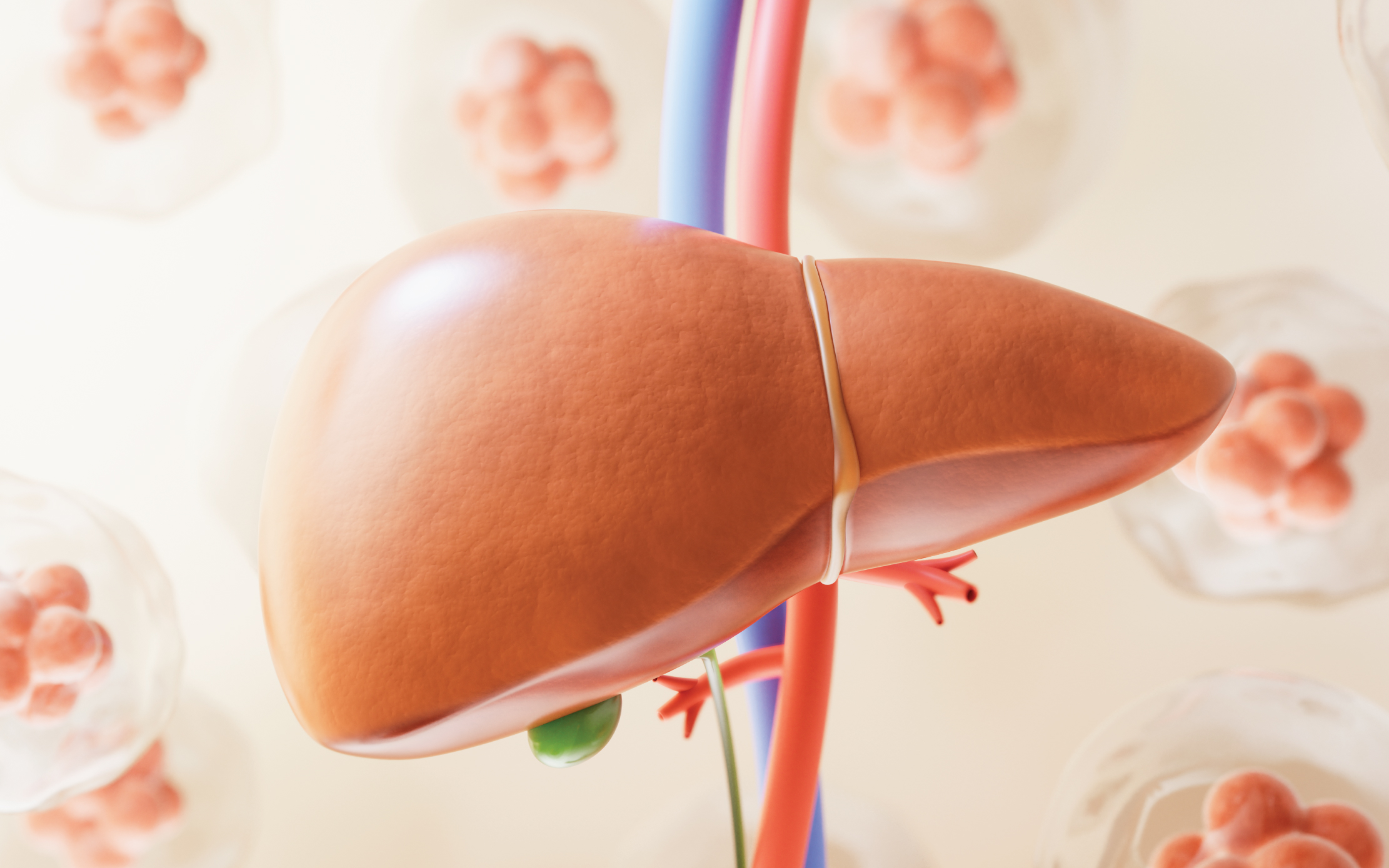
Imagine driving a car with the accelerator and brakes pressed at the same time. This futile attempt to keep the car moving is akin to how tumours like hepatocellular carcinoma (HCC) suppress the immune response of cancer-killing T cells. Immunotherapies have been developed to empower T cells to attack tumours again, but in HCC, the liver itself steps on the brakes even during immunotherapy treatment, greatly reducing treatment efficacy.
“The liver is a uniquely immunosuppressive organ, even without any tumours,” explained Rong En Tay, a Group Leader at the A*STAR Singapore Immunology Network (A*STAR SIgN). “When tumour-driven immunosuppression enters the picture, these become formidable twin obstacles that T cells have to overcome before they can eliminate the cancer.”
However, current immunotherapies against HCC have largely yet to address the liver’s intrinsic immunosuppressive environment as they were primarily developed to treat other cancer types. In addition to their limited effectiveness, these treatments, especially when used in combination, remain expensive and inaccessible for plenty of patients.
Tay and co-first-author Charmaine Ho teamed up with researchers from A*STAR SIgN, A*STAR Infectious Diseases Lab (A*STAR IDL), Nanyang Technology University, Singapore; National University of Singapore; and National Cancer Centre Singapore.
They first screened a library of existing drugs to identify ones that could boost T cell responses. In comparison to developing new treatments from scratch, repurposing drugs already used against other diseases offers the benefit of facing fewer regulatory and logistical hurdles before reaching the clinical trial stage, explained Tay. From this screen, an anti-hypertension drug called ketanserin emerged as a promising candidate.
When cytotoxic T cells were treated with ketanserin, they became more potent in killing liver cancer cells. Ketanserin inhibits a receptor protein known as 5-HT2A. To confirm ketanserin’s activity against 5-HT2A as the decisive factor, Tay and collaborators found that genetically disrupting the 5-HT2A receptor in T cells similarly boosted their ability to eliminate HCC cells.
Importantly, in mice bearing aggressive liver tumours, treatment with ketanserin led to significantly longer survival compared to untreated mice. Moreover, this effect was comparable to the survival benefit achieved with a clinically approved combination therapy. “Ketanserin treatment may have the potential to benefit HCC patients as much as combination immunotherapies, which are far more costly,” said Tay.
The team’s findings point to 5-HT2A’s role in suppressing immune activity in the liver, like brakes halting T cells in their tracks. Applying ketanserin, meanwhile, releases these brakes, allowing immunotherapies to work their magic.
Looking ahead, Tay and the team aim to continue leveraging their knowledge of liver immunobiology to guide cancer drug discovery and development. They are also working on advancing 5-HT2A-based therapeutics towards the clinic.
“We are looking for like-minded clinical and industry partners who share our vision to develop more efficacious and more cost-effective therapeutics for HCC,” said Tay.
The A*STAR-affiliated researchers contributing to this research are from the A*STAR Singapore Immunology Network (A*STAR SIgN), A*STAR Infectious Diseases Lab (A*STAR IDL) and A*STAR Bioinformatics Institute (A*STAR BII).


