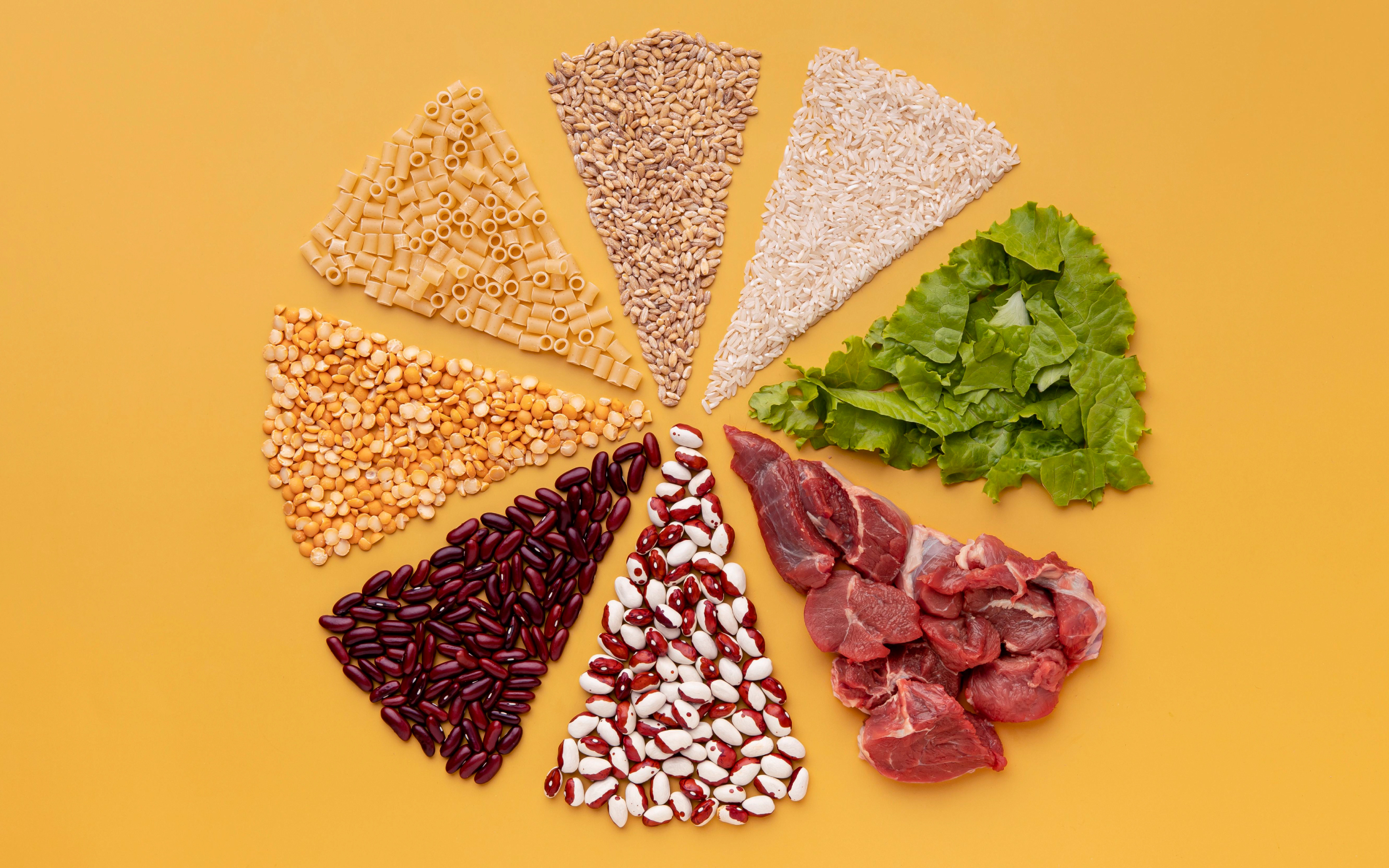
Choosing a plant-based burger patty over beef can seem like a simple protein swap. Plant-based meat analogues (PBMA) on sale today can look and taste like the real thing, with vitamins and minerals added to equal or exceed levels found in the original. But does that nutritional match-up hold once digestion begins?
As PBMA become more common, knowing what goes into them may matter less than knowing what happens after we eat them. “Looking beyond nutrition label numbers, understanding nutrient status in the body helps us determine if real nutrient benefits are actually delivered,” said Amanda Fu, a Senior Research Officer at the A*STAR Singapore Institute of Food and Biotechnology Innovation (A*STAR SIFBI).
A recent study by Fu and colleagues at A*STAR SIFBI’s Clinical Nutrition Research Centre (CNRC) revealed new insights on the nutritional value of PBMAs versus animal-based meats (ABM). The team took a closer look at a randomised controlled trial that had previously compared the effects of PBMA versus ABM diets on heart and metabolic health.
Conducted with 89 healthy adults in Singapore, the eight-week trial had participants replace protein-rich foods in their usual diet with protein-matched portions of ABM or commercially available PBMA products. The new secondary analysis, supported by online retailer Pinduoduo, focused on nutrient intake and micronutrient status among the participants.
At first glance, PBMA products appeared nutritionally superior to ABM counterparts, generally containing more folate, vitamin B6, vitamin E, calcium, potassium, magnesium and iron. After eight weeks, the PBMA diet group had higher blood levels of vitamin B12, folate and selenium, despite similar dietary B12 intake between groups. The researchers attributed this to cyanocobalamin: a synthetic form of B12 used to fortify PBMA, which is absorbed more readily than the natural, protein-bound form found in meat.
But a higher nutrient intake on paper did not always translate into better biological status. Despite PBMA products having more calcium and iron , there was no significant difference in blood levels of these nutrients between the two groups. Among women in the PBMA diet group, bone mineral density even dipped slightly, raising concerns about potential long-term impacts on osteoporosis risk.
“Adding nutrients to food is like scattering seeds in a garden: more seeds don’t guarantee that more plants will grow if the soil, water, sunlight and weather aren’t optimal,” said Darel Toh, an A*STAR SIFBI Senior Scientist and corresponding author. “While nutrition labels matter as they indicate a product’s nutrient content, they don’t reveal how well the body can use those nutrients. The form of nutrients and surrounding food ingredients can shape how much is released and absorbed.”
The study also highlighted that PBMA sodium levels in the trial were roughly triple that of ABM, attributed to salt typically added to PBMAs for improved taste and texture.
Based on their findings, the team noted that future PBMAs should be designed for effective nutrient delivery, not just to meet nutrient label targets. “This could mean choosing more bioavailable nutrient forms and better processing to improve absorption, while cutting reliance on excessive sodium and sugar to deliver sensory appeal,” said Fu.
The A*STAR-affiliated researchers contributing to this research are from the A*STAR Singapore Institute of Food and Biotechnology Innovation (A*STAR SIFBI).