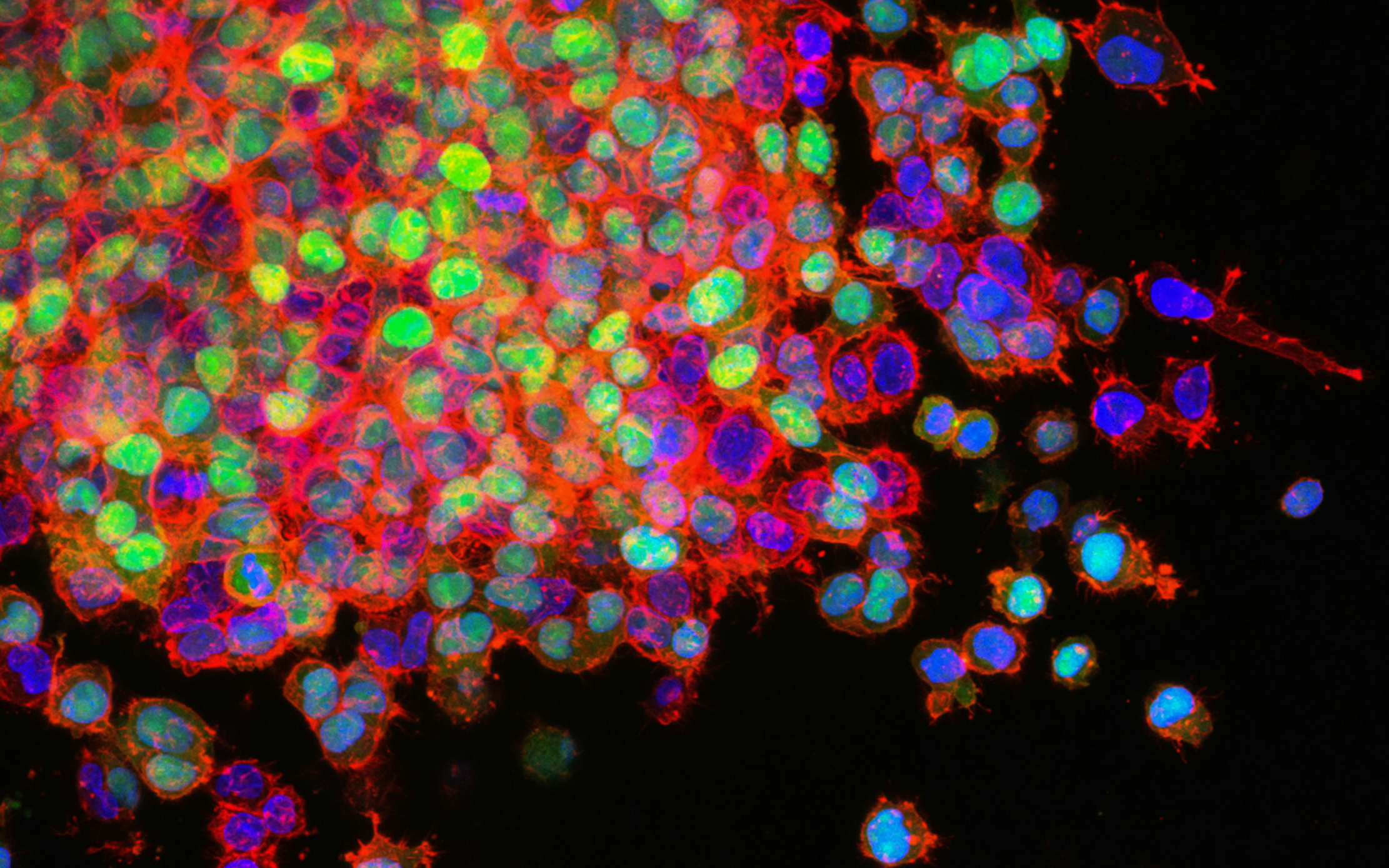
Like a hybrid electric vehicle that can use both petrol and battery-powered motors, certain cells in the body can switch between different energy sources. While glucose sugars are the default fuel, intense energy demands or nutrient deprivation can prompt the body to activate other metabolic pathways.
This metabolic flexibility is a critical survival mechanism in various cancers amidst changing nutrient conditions. Non-small cell lung cancers are known to exploit lactate as an alternative carbon source. However, the tumour-initiating cell (TIC) subpopulation, which drives cancer formation and relapse, appears to have distinct metabolic dependencies.
“TICs survive in the most challenging parts of a tumour, where oxygen and nutrients like glucose are scarce because they are far from blood vessels,” said Wai Leong Tam, Deputy Executive Director at the A*STAR Genome Institute of Singapore (A*STAR GIS). To investigate exactly how lung TICs adapt to limited glucose availability, Tam and A*STAR Senior Scientist Zhengwei Wu teamed up with researchers from the A*STAR Bioprocessing Technology Institute (A*STAR BTI); A*STAR Institute of Molecular and Cell Biology (A*STAR IMCB); National Cancer Centre Singapore; and Singapore General Hospital.
The team measured the gene expression levels and metabolite profiles of lung TICs exposed to low-glucose conditions. Instead of lactate-related molecular machinery, these cells carried a unique toolkit of transport proteins like MCT1 and enzymes that are involved in bringing ketones into the cell and converting them into useful materials.
Besides getting broken down into energy molecules, ketones also served as the starting material for fatty acid synthesis and lipid droplet formation pathways, which support survival under nutrient stress. The researchers observed that increased ketone levels fueled TIC growth and improved capacity to seed new tumours. “By hijacking a natural pathway normally used by the brain during starvation, TICs continue to thrive even in harsh conditions where their usual glucose supply is limited,” Wu explained.
But this metabolic adaptation also created a weakness. In mice, treatment with cerulenin, which blocks a key enzyme in lipid synthesis, or with MCT1-inhibitor AZD3965 led to reduced tumour growth. Combining these treatments with a ketogenic (high-fat, low-carbohydrate) diet enhanced their effects, significantly suppressing lipid droplet formation and tumour establishment compared to normal diets.
“The diet pushes TICs into a state of ‘metabolic addiction’. The cells become reliant on ketones as their fuel, lose much of their metabolic flexibility, and become easier to target,” said Wu.
The team has since filed a patent for their work, seeing the potential of targeting MCT1 and ketone metabolism as a viable clinical strategy against lung cancer. “We aim to turn what is normally a survival mechanism into a weakness that can be exploited, making cancer cells more vulnerable to targeted treatments,” said Tam. Further testing is necessary to validate the safety and efficacy of the approach for patients.
The A*STAR-affiliated researchers contributing to this research are from the A*STAR Bioprocessing Technology Institute (A*STAR BTI), A*STAR Genome Institute of Singapore (A*STAR GIS) and A*STAR Institute of Molecular and Cell Biology (A*STAR IMCB).